Southwest’s New Seating Rules Put Extra Burden On Plus-Size Travelers
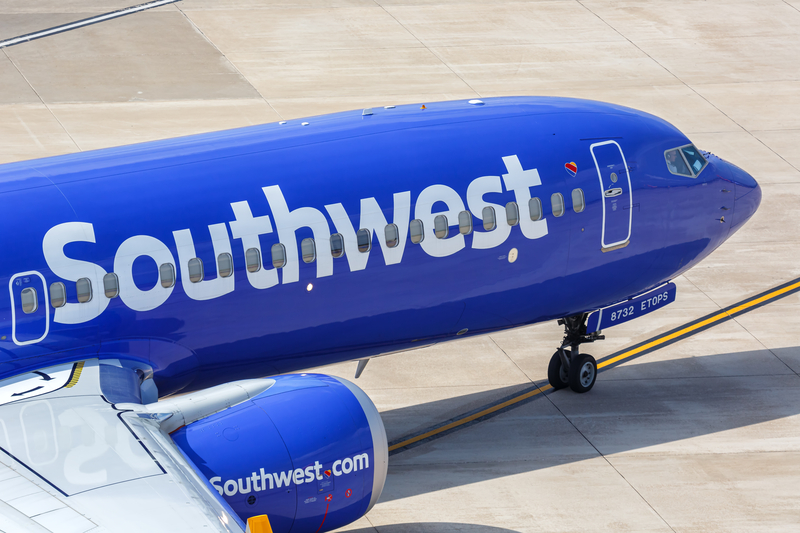
Southwest Airlines is about to overhaul how passengers sit — and plus-size flyers look set to pay the price.
With assigned seating arriving in early 2026, the airline is tightening its “extra seat” policy so that larger passengers will generally need to pay upfront for a second seat, and refunds will no longer be guaranteed.
What’s Changing For Plus-Size Passengers
Until now, Southwest has had one of the more generous policies in the industry for “customers of size”:
-
You could request a second seat at the airport for free if space was available.
-
If you paid for a second seat in advance, you could request a refund afterward, even on full flights.
-
Plus-size customers could typically board early to find two adjacent seats.
Under the new rules, which kick in alongside assigned seating on January 27, 2026:
-
Plus-size passengers are being told they should buy an extra seat at the time of booking to “ensure space.”
-
The airport-only free extra seat option disappears.
-
The early boarding advantage for customers of size will also be removed.
Southwest says it is proactively notifying travelers who’ve used the policy before that they should purchase the second seat during booking instead of relying on day-of-travel requests.
How The New Refund Rules Work
You’ll still be able to ask for your money back on the second seat — but several new conditions now apply, and they’re a lot stricter:
-
No refund if the flight is full
-
For a refund to be considered, there must have been at least one empty seat on the flight.
-
-
Both seats must be in the same fare class
-
The extra seat has to match your original ticket type (Basic, Choice, Choice Preferred, or Choice Extra).
-
-
Refunds must be requested within 90 days of travel
If you try to book two seats and no adjacent pair is available, Southwest says it will rebook you on the next flight where two seats together can be assigned.
In practice, all of this means many plus-size passengers will now face a tough choice:
-
Pay for a second seat upfront without knowing if they’ll get that money back, or
-
Risk taking a single seat, potentially leading to discomfort for them and for whoever’s seated beside them.
Why Advocates Are Worried
Travel advocates for larger passengers are already sounding the alarm.
Under the old system, there was no financial downside to booking a second seat with Southwest if you qualified for the policy — you got the space you needed and a refund afterward.
Now, with:
-
Refunds being conditional
-
Free extra seats at the airport going away
-
Early boarding advantages disappearing
many plus-size travelers may feel pressured not to purchase a second seat at all, especially on expensive or busy flights where a refund is less likely.
That could mean:
-
More plus-size passengers trying to make do with one seat
-
Increased tension and discomfort in cramped rows
-
More awkward situations for crews to manage onboard
Part Of A Bigger Shift At Southwest
The extra-seat policy change isn’t happening in isolation. It’s part of a sweeping reset of Southwest’s entire product:
-
End of open seating
-
The famous “pick any open seat” system is being replaced by assigned seating from January 2026.
-
-
New seat types
-
Standard, Preferred, and Extra Legroom seating will be introduced, giving Southwest a more traditional cabin layout.
-
-
New boarding system
-
The familiar A/B/C boarding groups are being retired in favor of numbered boarding groups (1–8).
-
-
Checked bags no longer universally free
-
Checked bag fees now apply on most fare types (Basic, Choice, and Choice Preferred), ending one of Southwest’s signature perks.
-
All of this moves Southwest closer to a more “traditional” legacy-style model, but it also risks alienating some of the very customers who’ve been loyal to the airline for decades — including plus-size passengers who once saw it as one of the most accommodating US carriers.
Bottom Line
Southwest’s move to assigned seating is bringing major changes, and plus-size passengers are among the most affected.
From January 27, 2026, most “customers of size” will need to buy an extra seat in advance, and refunds will only be possible if the flight wasn’t full, the seats match in fare class, and a claim is filed within 90 days. The option to request a free extra seat at the airport — and the early-boarding advantage that came with it — is being phased out.
For many travelers, that turns what used to be a uniquely generous policy into a financial gamble.