Muscat-Kigali: Oman Air Cargo Plugs East Africa Into Its Network
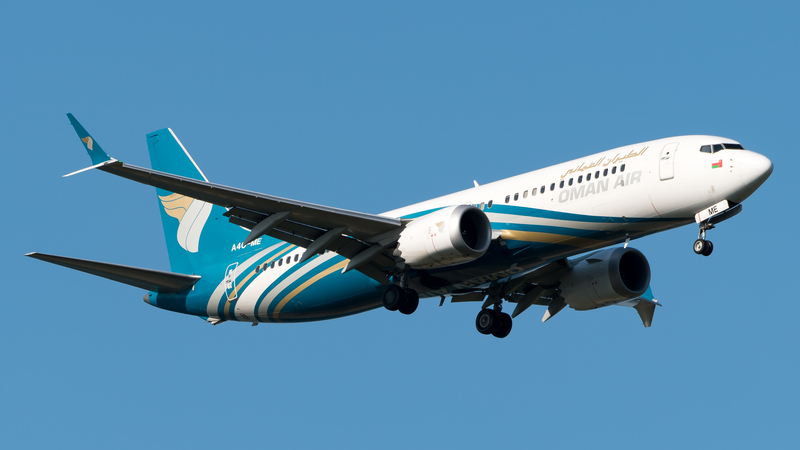
Oman Air Cargo is pushing deeper into East Africa with plans to launch a new Muscat (MCT)–Kigali (KGL) service beginning in June 2026, subject to regulatory approvals. While the announcement is framed through the cargo lens—perishables, pharma, express—the operational detail that matters is this: the lift is expected to come from scheduled Boeing 737 passenger flights, not a dedicated freighter.
That distinction shapes everything from how much freight can move on a given day to what kind of cargo can move reliably, and how forwarders will build routings through Oman Air’s hub at Muscat International Airport (MCT).
Why Kigali matters to a Gulf hub like Muscat
Kigali International Airport (KGL) is a classic “high-value, time-sensitive” origin. East Africa’s outbound air freight mix tends to skew toward perishables (fresh produce, flowers, specialty foods), healthcare and development-related shipments, and a steady stream of courier and express. These are cargo categories where speed, temperature control, and network regularity matter as much as raw tonnage.
For Oman Air Cargo, KGL is also strategically placed. It gives the airline a foothold in a region where shippers often rely on multi-stop routings, truck-to-air combinations, and whatever belly space they can secure during peak export windows. A predictable path from KGL into a stable Gulf hub like MCT can be attractive—especially if it connects cleanly into morning or evening banks onward to Europe and South Asia.
The aircraft angle: what a Boeing 737 actually means for cargo
Running the route on a Boeing 737 passenger operation is a very different proposition than placing a widebody on it, and cargo professionals will read between the lines immediately:

-
Bellyhold cargo only: On a 737, you’re working with lower-deck compartments designed around passenger baggage first, cargo second. That means cargo is typically bulk-loaded rather than containerized the way it would be on many widebodies.
-
Payload is highly variable: Available cargo weight swings with passenger load, baggage volumes, alternates, fuel, and weather. On a sector of roughly 2,260 nautical miles between MCT and KGL, those tradeoffs are real—especially on days when the flight needs extra fuel or when bags run heavy.
-
Perishables can work—if the ground product is tight: The aircraft is only half the equation. To make perishables reliable, you need fast acceptance at KGL, cold-chain discipline airside, prioritized loading, and quick breakdown and transfer at MCT. Without that, bellyhold perishables become “possible” rather than “bankable.”
If Oman Air deploys newer-generation 737 variants on the route, that can help the economics through better fuel efficiency and range margin. But the core limitation remains: this is about consistent lift and connectivity, not maximum volume.
What shippers gain: connectivity beyond Kigali
Oman Air Cargo is positioning Muscat (MCT) as the connector—an alternative transit point that can move shipments onward without forcing cargo through the busiest (and often most capacity-constrained) mega-hubs.
From MCT, Oman Air Cargo already markets connectivity into several key European freight cities—think Paris (CDG), Frankfurt (FRA), Munich (MUC), Milan (MXP), Rome (FCO), Zurich (ZRH), Istanbul (IST), and London Heathrow (LHR). For exporters out of KGL, those aren’t just destinations—they’re gateway airports where freight can feed dense trucking networks and airline interline options.
For inbound cargo to Rwanda, the logic runs in reverse: MCT can act as a consolidation point for pharmaceuticals, e-commerce, and general cargo moving into KGL, particularly if the schedule aligns with standard overnight linehauls into the Gulf.
Operational reality check: Kigali’s altitude and why it matters
Kigali (KGL) sits at high elevation, which is a quiet but important operational factor for performance-limited departures—especially when you’re trying to protect payload on a narrowbody. The good news is that KGL’s runway length is substantial, giving operators more flexibility than many regional airports.
The more nuanced point is how airlines manage payload versus fuel on longer narrowbody sectors. If the intent is dependable cargo uplift—not just “whatever fits after bags”—then flight planning, seasonal winds, and contingency fuel policies will materially influence what forwarders can count on week to week.
What to watch as June 2026 approaches
The headline is simple—Muscat (MCT) to Kigali (KGL) is coming—but the commercial impact will be defined by details Oman Air hasn’t published yet:
-
Frequency and days of operation (critical for perishables and express)
-
Timing at MCT relative to European departures (CDG/FRA/LHR banks matter)
-
Cargo product and handling commitments (cool-chain, SLA-style priority, booking discipline)
-
Interline or road-feeder options out of major European gateways
If Oman Air Cargo can deliver schedule reliability and protect enough payload to make bookings dependable, this route can become a practical new tool for East African exporters—especially those moving freight where minutes and degrees matter.
Bottom Line
Oman Air Cargo’s planned Muscat (MCT)–Kigali (KGL) launch in June 2026 is a meaningful East Africa play—but it’s a bellyhold play built around Boeing 737 passenger operations. That makes the route less about headline capacity and more about consistency, connectivity, and execution: cold-chain discipline at KGL, smooth transfer at MCT, and schedules that plug into onward flows to European gateways like CDG, FRA, and LHR. If those pieces line up, KGL exporters gain a credible new routing option through MCT without needing freighter-scale volume to justify it.