Korean Air Adding Free Starlink Wi-Fi
Korean Air and its sister airlines are finally making a huge leap into the connected era – and skipping straight to one of the best inflight internet solutions on the market.
Starlink Coming To The Entire Korean Air Group
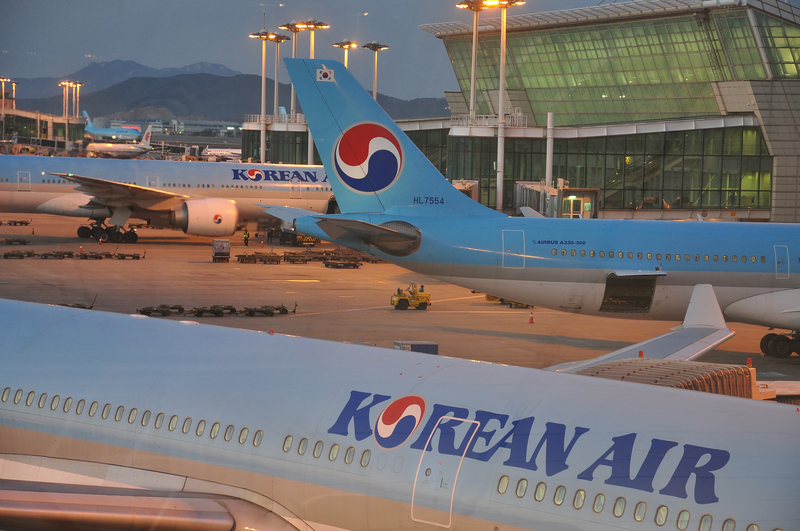
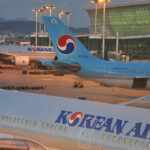
Korean Air, Asiana Airlines, Jin Air, Air Busan, and Air Seoul have jointly announced plans to install free Starlink Wi-Fi across their fleets.
The rollout won’t be instant, but the roadmap is clear:
-
First aircraft with Starlink: as early as Q3 2026
-
Full Starlink coverage on all Korean Air and Asiana aircraft by the end of 2027
-
Installations will start with long-haul flagship types: Boeing 777-300ERs and Airbus A350-900s
Starlink will be offered gate-to-gate, with broadband-style speeds and low latency, supporting:
-
HD streaming
-
VPN and productivity work
-
Gaming and high-bandwidth apps
-
E-commerce and onboard digital services
And crucially: it will be free for passengers.
A Korean Air spokesperson framed it simply: connectivity is now “an essential part of the travel experience,” and the airline wants to match that expectation as it chases the goal of becoming “the world’s most loved airline.”

From No Wi-Fi To One Of The Best Systems
What makes this announcement so significant isn’t just that Korean Air is adding Wi-Fi. It’s the gap they’re closing.
-
Until 2023, Korean Air had no inflight Wi-Fi at all
-
Over the last couple of years, connectivity has appeared only on a small portion of newly delivered aircraft
-
Even today, most of the fleet still has no Wi-Fi
So this is effectively a jump from “mostly offline” to “free, fast Starlink across the board” in just a few years.
When Emirates announced it would move from its painfully slow legacy system to Starlink, that was already a big deal. But Korean Air’s move is arguably even more transformative, because the baseline is so low: for most passengers, this will be the first time they’ve had usable internet on Korean Air at all.
Why Korean Air Waited So Long
Korean Air’s late entry into inflight connectivity hasn’t been an accident. For years, the airline’s line was essentially: “If we can’t do it well, we’d rather not do it.”
Back in 2016, the airline’s Senior Innovation Technology Officer was asked about passenger expectations for onboard content and connectivity. The answer was telling:
-
South Korea’s ground networks are far faster than typical satellite Wi-Fi
-
Traditional satellite solutions would feel disappointing to Korean passengers
-
That was cited as a primary reason the airline hadn’t implemented inflight internet
In other words, Korean Air didn’t want to roll out a product that felt dramatically worse than what people were used to on the ground. With Starlink’s performance, that barrier finally disappears.
How This Fits Into A Bigger Industry Trend
Korean Air and its partners aren’t alone in betting on Starlink. Across the globe, more and more carriers are choosing the SpaceX system as a next-gen connectivity solution.
Among the airlines that have already announced Starlink plans are:
-
airBaltic
-
Air France
-
Air New Zealand
-
British Airways
-
Emirates
-
Hawaiian Airlines
-
Iberia
-
Qatar Airways
-
SAS
-
United
-
Virgin Atlantic
-
WestJet
For passengers, the pattern is clear:
-
Old systems = slow, metered, and expensive
-
New systems (like Starlink) = fast, often free, and actually usable
Korean Air’s move puts it firmly into that second category once the rollout is complete.
What Passengers Can Expect
Once Starlink is live across the Korean Air and Asiana fleets, the onboard experience should change in some very tangible ways:
-
Reliable streaming: Watching YouTube, Netflix, or K-dramas at cruise altitude should be realistic, not wishful thinking
-
Real work productivity: Video calls, large file transfers, and cloud-based tools will be far more practical
-
Better consistency: Gate-to-gate access means no awkward “Wi-Fi only at altitude” limitations
-
No mental math: Free access removes the constant question of whether the Wi-Fi is “worth it”
Long-haul flights on the 777-300ER and A350-900 will see the upgrade first, which also happen to be the aircraft most used on premium long-distance routes to North America and Europe.
Bottom Line
Korean Air and its sister airlines are finally embracing inflight connectivity in a big way, skipping the half-measures and going straight to free Starlink Wi-Fi across their fleets.
Installations are expected to begin in Q3 2026, with Korean Air and Asiana targeting full fleet coverage by the end of 2027, starting with long-haul 777-300ERs and A350-900s.
For a country as tech-forward as South Korea, it’s always been jarring that its flag carrier offered little to no inflight internet. Going from almost no Wi-Fi to one of the best solutions on the market is a huge upgrade for passengers — and a very overdue one.