EVA Air’s Major Fleet Refresh: More 787-9s, Extended 777 Leases, and New Cabins
Taiwan-based EVA Air has approved a fleet investment plan worth about US$1.94 billion, covering four Boeing 787-9 Dreamliners, lease extensions for four Boeing 777-300ERs, and cabin refurbishment work on six 777-300ERs. The moves signal a familiar playbook: add efficient long-haul lift, keep high-capacity widebodies in the mix, and upgrade the product while demand remains strong across transpacific and long-haul markets.
What EVA Air Approved
EVA’s board-backed plan has three main components:
-
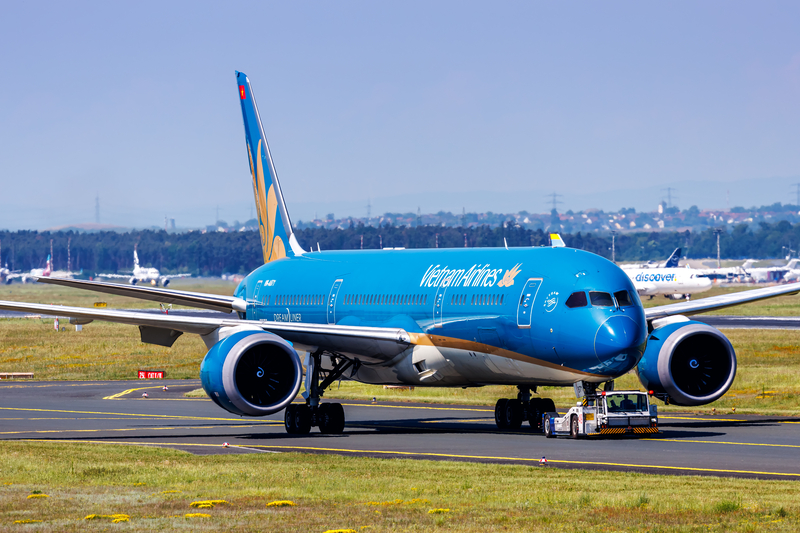
Four Boeing 787-9s: approved purchase value of about US$1.79 billion (the aircraft are expected to be delivered through 2033).
-
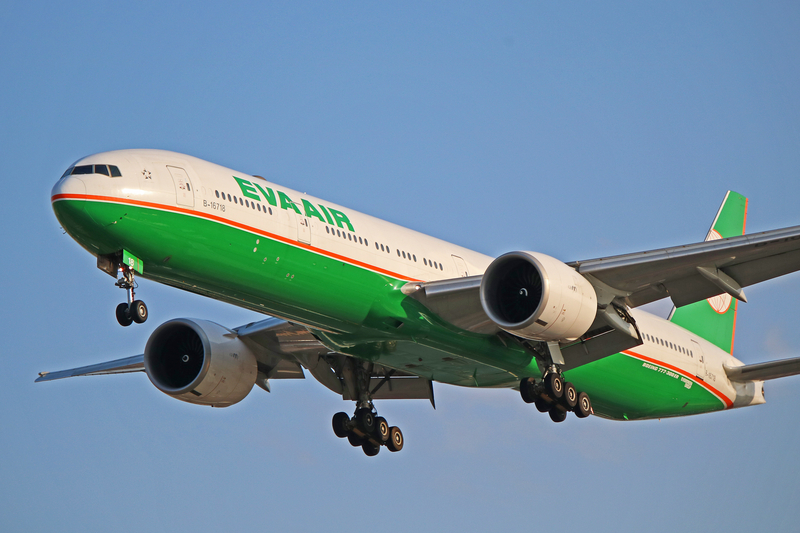
Four Boeing 777-300ER lease renewals: keeps existing long-haul capacity available while the fleet transitions.
-
Six Boeing 777-300ER cabin refurbishments: budgeted at about US$152 million, with work planned to begin in 2026.

Why The 787-9 Matters For EVA
The 787-9 is a strong fit for EVA’s network strategy from Taipei (TPE) because it can profitably serve long stages with lower trip cost than larger widebodies. For an airline balancing North America routes and onward Asia connectivity, the aircraft provides flexibility to:
-
right-size capacity on thinner long-haul routes,
-
add frequencies without requiring 777-size demand,
-
maintain range for missions that are less ideal for higher-density widebodies.
In practical terms, it gives EVA more options to tune schedules across its long-haul footprint while keeping unit costs competitive.
Keeping The 777-300ERs In The Picture
Extending leases on four 777-300ERs suggests EVA still wants the aircraft’s combination of capacity and cargo capability for key trunk routes. The 777-300ER remains useful on high-demand city pairs where the airline can fill a larger premium cabin plus a dense economy section—particularly during peak seasons and banked connection windows at TPE.
The decision also creates a “bridge” as EVA continues to position the long-haul fleet for the next decade, rather than forcing a rapid widebody downsizing while deliveries and refurb timelines play out.
Cabin Upgrades: Product And Revenue, Not Just Cosmetics
Refreshing six 777-300ER cabins is expensive, but it’s typically driven by two priorities:
-
Revenue upside: modern premium cabins and improved inflight experience can support higher yields on long-haul business-heavy routes.
-
Brand consistency: keeping the 777 experience closer to newer aircraft helps avoid a “two-tier” product—especially important on long sectors.
For EVA, this is also a practical move if the 777-300ERs will remain central to the fleet for several more years.
What This Signals For EVA’s Network
With TPE as its hub, EVA can use these aircraft decisions to sustain and selectively grow long-haul flying while feeding connections across Asia. The airline’s North America footprint includes major gateways such as Chicago (ORD), Houston (IAH), Los Angeles (LAX), New York (JFK), San Francisco (SFO), Seattle (SEA), Toronto (YYZ), Vancouver (YVR), and Dallas/Fort Worth (DFW), where long-haul fleet flexibility matters for seasonal demand swings and competitive pressure.
Bottom Line
EVA Air’s plan pairs new 787-9 growth with continued 777-300ER capacity and a meaningful cabin investment—a balanced approach that supports long-haul reliability, product competitiveness, and network flexibility out of TPE as the airline plans for the next phase of expansion.