Emirates’ Nordic Push: Daily Dubai-Helsinki A350 Flights Begin October 2026
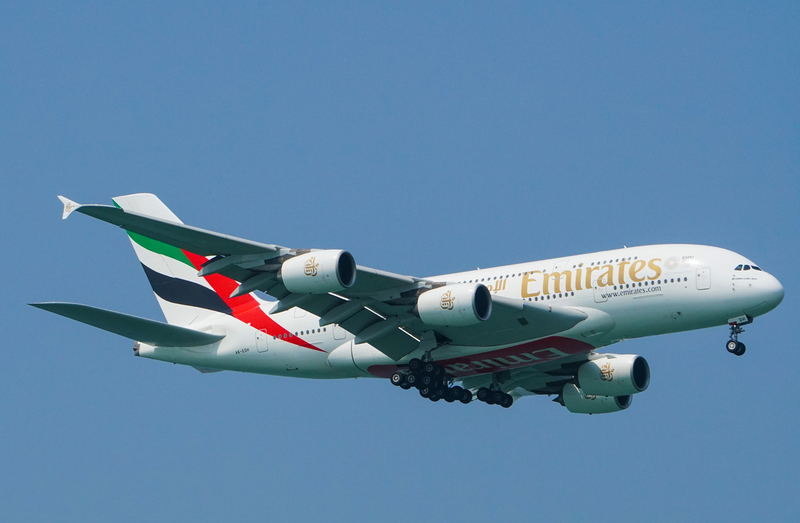
Emirates is adding Finland to its route map with a daily, year-round nonstop between Dubai International Airport (DXB) and Helsinki-Vantaa Airport (HEL) beginning October 1, 2026. The airline will operate the service with its new Airbus A350, bringing a three-cabin mix—Business, Premium Economy, and Economy—into a market that has historically relied on seasonal capacity and one-stop itineraries.
For Emirates, HEL is more than a new dot on the map. It’s a high-income catchment area with strong corporate travel, a meaningful premium leisure segment, and cargo flows that suit a widebody bellyhold operation—especially with the A350’s economics on medium-long sectors.
A daily DXB–HEL nonstop, timed for connections in both directions
Emirates is scheduling one daily frequency designed to “bank” well against its DXB hub waves, which matters because HEL traffic tends to be connection-heavy—split between passengers heading beyond Dubai and inbound visitors using DXB as a bridge into Northern Europe.
The published timing (always subject to seasonal adjustments and slot refinements) is:

-
EK167: Dubai (DXB) 08:45 → Helsinki (HEL) 14:55
-
EK168: Helsinki (HEL) 16:45 → Dubai (DXB) 00:20 (+1)
That pattern is a classic Emirates play: an afternoon arrival into HEL that supports same-day onward ground links in Finland and the Baltics, and a mid-afternoon departure back to DXB that feeds late-night connections across South Asia, Southeast Asia, and Australasia.
What Emirates’ Airbus A350 changes for Helsinki
The headline isn’t just “new route.” It’s the aircraft and what it enables.

Emirates is planning the DXB–HEL service on its new Airbus A350 configured with 298 seats across three cabins, which is a deliberate capacity choice. It’s large enough to carry meaningful premium and cargo demand, but not so big that the route needs peak-summer loads year-round to work.
From an operational standpoint, the A350 is well suited to DXB–HEL:
-
Efficiency on long sectors: The A350’s fuel burn and aerodynamic performance make it ideal for routes that sit in the widebody “sweet spot”—long enough to justify a twin-aisle product, but short enough that overcapacity can quickly punish yields.
-
Cabin consistency: Emirates is leaning into fleet modernization to standardize the onboard proposition. With the A350, the airline can offer a modern Business cabin plus Premium Economy on markets where First Class demand is present—but not always dependable at daily frequency.
-
Payload flexibility: A widebody into HEL isn’t only about passengers. The A350’s bellyhold capacity can be a decisive advantage during periods when premium leisure demand softens but freight remains stable.

For airline professionals, this is a familiar pattern: match gauge and product to a market’s true year-round demand curve, then use hub connectivity to smooth seasonality rather than flooding the market with too much peak capacity.
The “only year-round” angle, and why it matters
The DXB–HEL market already exists—passengers have been getting there via connections for years, and seasonal nonstops have come and gone depending on broader network priorities. The difference here is daily, year-round flying, which tends to be the threshold corporate buyers and global distribution systems treat as “reliable connectivity,” not just opportunistic seasonal lift.
That reliability affects everything from corporate contracting to cargo forwarder commitments. Daily service also reduces misconnections and reaccommodation complexity when irregular operations hit, because there are simply more same-carrier options to recover passengers and shipments.
In practical terms, Emirates is positioning DXB–HEL as:
-
A Finland–Gulf business link,
-
A Finland–Asia/Africa one-stop connector via DXB,
-
And a cargo corridor with consistent uplift for high-value goods.
Cargo: up to 16 tonnes per flight adds a second revenue engine
Emirates is also talking cargo from day one, with up to 16 tonnes of bellyhold capacity available on each DXB–HEL rotation. For HEL, that’s meaningful: Northern Europe’s export profile includes pharmaceuticals, electronics, machinery, and other high-value shipments that benefit from predictable schedules and strong onward connectivity.
For Emirates, cargo is often the difference between a route that merely “works” and one that becomes strategically sticky. Even when passenger demand is seasonal—as Nordic leisure travel often is—freight can provide steadier baseline revenue, especially when tied into a global network that can route shipments onward from DXB with short connection windows.
Bottom Line
Emirates’ new daily Dubai (DXB) to Helsinki (HEL) service from October 2026 is a classic capacity-and-product optimization play: right-sized widebody gauge, modern premium cabin mix, and enough bellyhold cargo capability to support the route beyond peak leisure periods. If the schedule holds and the A350 product performs as intended, HEL should become a durable year-round Nordic station for Emirates—built as much on connectivity and freight as on point-to-point demand.