Cracked Windshield Forces United 737 To Return To Memphis
Key Takeaways
-
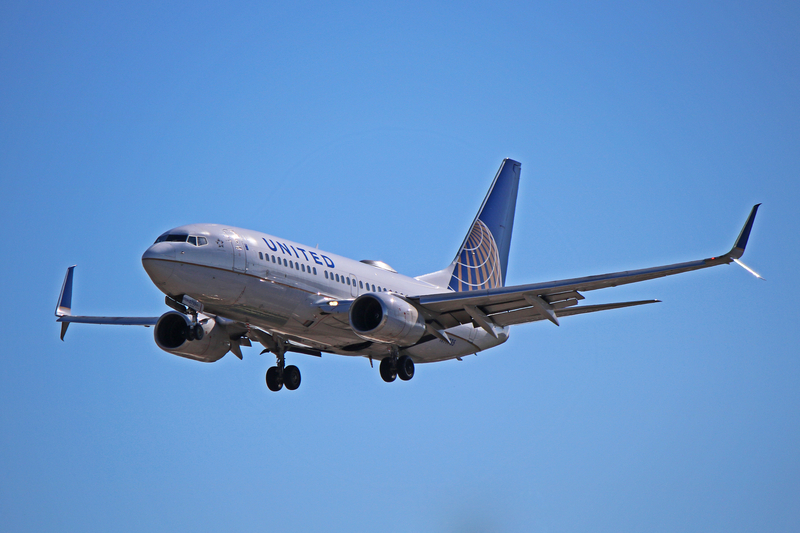
A United Airlines Boeing 737-700 operating flight UA1126 from Memphis to Chicago returned to Memphis after the First Officer’s windshield cracked during climb.
-
The aircraft landed safely back at Memphis around 30 minutes after departure; no injuries were reported.
-
Passengers continued to Chicago on a replacement 737-900ER, arriving roughly six hours late.
-
The damaged aircraft remains grounded pending repair, as a cracked windshield can pose both visibility and pressurization risks.
What Happened On Flight UA1126
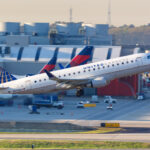
United Airlines flight UA1126 is a regular daily service from Memphis International Airport (MEM) to Chicago O’Hare International Airport (ORD). On December 1, 2025, the flight was assigned a 26-year-old Boeing 737-700, registration N14735, configured with 126 seats and operated by two pilots and three flight attendants.
The aircraft departed Memphis at 7:34 am, just four minutes behind schedule, and began climbing toward its cruising altitude on what should have been a routine 1 hour 56 minute hop to Chicago.
As the jet climbed through around 13,000 feet, the crew noticed that the windshield on the First Officer’s side had developed a crack. The precise cause is not yet known — it could have been a structural issue or the result of an impact with a bird or another object.
Given the nature of the problem, the pilots declared an emergency, stopped their climb, and turned back toward Memphis.
Safe Return And Passenger Reaccommodation
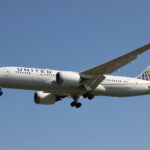
After the emergency was declared, the crew descended and lined up for an expedited return. About half an hour after takeoff, UA1126 landed safely on Runway 36R at Memphis.
The aircraft was able to taxi to the gate under its own power, and all passengers deplaned normally. No injuries were reported among customers or crew.
United then arranged a replacement aircraft for the onward journey:
-
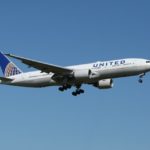
Replacement jet: Boeing 737-900ER, registration N81449, with 179 seats
-
This aircraft arrived from Washington Dulles before taking over the Memphis–Chicago leg
Because of the aircraft swap and schedule reshuffling, the continuation of UA1126 did not depart Memphis again until 2:04 pm, arriving in Chicago at 3:25 pm. That meant a delay of roughly six hours for passengers.
Those with onward connections at O’Hare likely had to be rebooked onto later flights, though Chicago’s status as United’s largest hub makes finding alternatives easier than at many other airports.
What Happens To The Damaged 737?
Following the diversion, N14735 remained on the ground in Memphis. A cracked cockpit windshield is a serious defect that must be fully repaired before the aircraft is allowed to reenter service.
Next steps typically include:
-
Inspection and assessment of the windshield and surrounding structure
-
Either shipping a replacement windshield and performing the repair in Memphis
-
Or ferrying the aircraft to a major United maintenance base (likely Chicago O’Hare) for repairs
If the aircraft is ferried, it would need to operate at lower altitude to avoid significant pressurization loads on the damaged windshield. In any case, the jet will only return to passenger service once the windshield is replaced and all relevant checks are complete.
Why A Cracked Windshield Is A Big Deal
At first glance, a cracked windshield might sound like a nuisance rather than an emergency, but at airline altitudes it can be a critical safety issue.
Key concerns include:
-
Structural integrity & pressurization
The cockpit windshield is part of the aircraft’s pressure vessel. A crack that spreads can compromise the seal, leading to a possible loss of cabin pressure. -
Pilot safety
If the crack worsens or the outer pane fails, glass fragments or sudden decompression could injure the pilots. Even minor failures can create distracting noise, airflow, or vibration in a critical part of the cockpit. -
Visibility
While airliners are flown mostly by instruments, a badly cracked pane can still hamper visibility, especially during approach and landing.
Because cracks can propagate unpredictably with changing pressure and temperature, pilots are trained to treat them seriously. Declaring an emergency and diverting back to a suitable airport — as the crew of UA1126 did — is the standard, conservative choice.
There’s also recent precedent: in October 2025, another United 737 reportedly collided with an object in midair, likely a weather balloon, which shattered the windshield and sent glass into the cockpit, causing minor injuries to one of the pilots. Incidents like that underscore why crews don’t take any chances when it comes to windshield damage.
Bottom Line
A United Airlines Boeing 737-700 operating flight UA1126 from Memphis to Chicago returned to Memphis after the First Officer’s cockpit windshield cracked during climb. The aircraft landed safely with no injuries, and passengers eventually reached Chicago on a replacement 737-900ER, arriving about six hours late.
The original aircraft remains grounded until the windshield can be repaired or replaced, as damage in that area raises serious concerns about pressurization, pilot safety, and structural integrity. While disruptive, the diversion and emergency declaration were exactly what you want to see: a cautious, by-the-book response prioritizing safety over schedule.