Averting Shutdown: Spirit Unlocks $100M In DIP Funding After A Tense Weekend
Spirit Aviation Holdings, Inc.—the parent of Spirit Airlines—says it has amended its debtor-in-possession (DIP) credit agreement, unlocking an incremental $100 million of bankruptcy financing and easing fresh concerns about near-term liquidity.
The update lands after a jittery few days across the industry, when some observers feared Spirit could miss a key December 13 restructuring milestone tied to its DIP facility. Instead, Spirit says it reached an agreement with senior secured noteholders that allows the next tranche to move forward—helping keep the operation stable through the peak holiday push out of major stations like Fort Lauderdale (FLL), Orlando (MCO), and Las Vegas (LAS).
What Spirit Actually Got: $50M Now, $50M Later
The amended agreement provides for a $100 million incremental funding round. Spirit says $50 million is usable immediately (net of fees/discounts customary in these facilities), while the remaining $50 million is tied to previously agreed conditions—specifically, continued progress toward either:
-
a standalone plan of reorganization, or
-
a strategic transaction (read: a deal process that could include a sale or similar alternative).

In practical terms, this isn’t “new money” dropping from the sky—it’s a negotiated release valve inside a multi-tranche DIP structure, designed to force momentum and preserve lender leverage while keeping aircraft turning.
Why The Weekend Milestone Mattered So Much
DIP financing is a lifeline in Chapter 11: it funds payroll, fuel, airport fees, maintenance, and the everyday cash needs that keep a scheduled airline from spiraling into mass cancellations.
The reason this particular date created so much noise is simple: when a draw is milestone-driven, missing it can trigger a rapid confidence shock—not just among lenders, but among vendors, lessors, employees, and passengers. Airlines don’t typically “flip a switch” and stop flying overnight, but if liquidity dries up at the wrong moment, the knock-on effects can become operational in a hurry.
By getting the amendment done and accessing cash immediately, Spirit removes the most acute near-term question: can it fund the day-to-day operation this week?

Operations Continue—And The Fleet Is Built For High Utilization
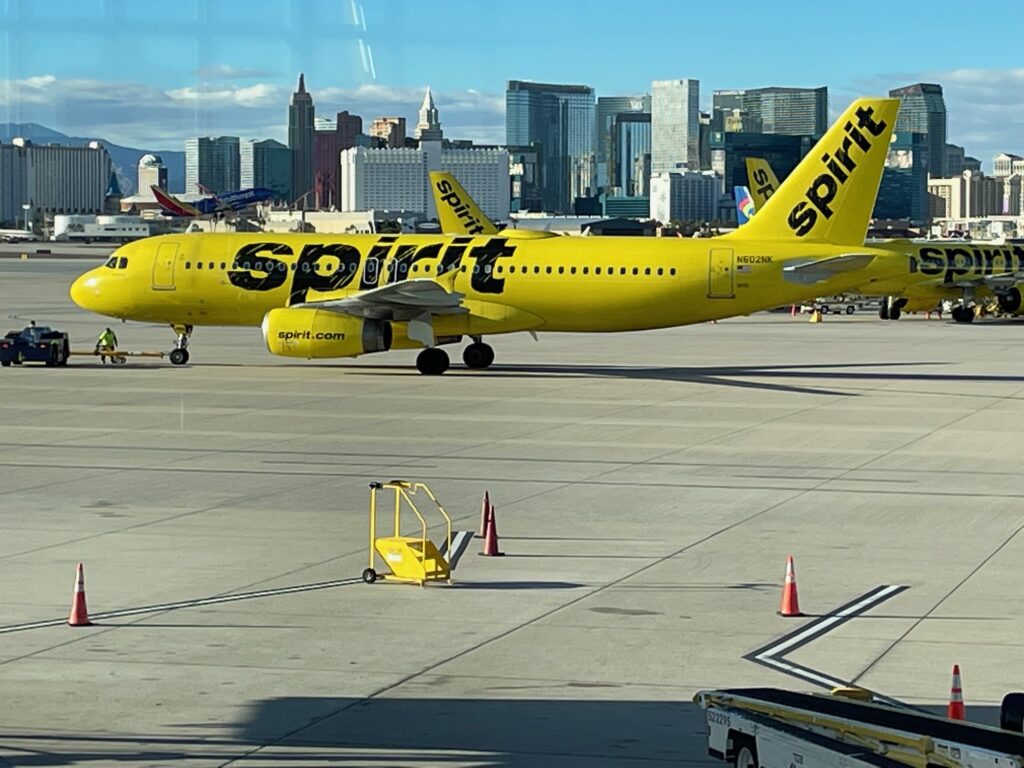
Spirit has emphasized “business as usual” during the holiday period, and its aircraft type supports that narrative. Spirit runs an all-Airbus narrowbody fleet—high-cycle jets optimized for fast turns and dense schedules.
A few fleet details that matter to the operation customers actually experience at airports like FLL and MCO:
-
Airbus A320 (A320ceo): commonly 182 seats in Spirit’s layout, including the carrier’s “Big Front Seat” product.
-
Airbus A321 (A321ceo): typically 228 seats, one of the densest mainstream configurations in U.S. domestic flying.
-
Airbus A321neo: often 235 seats in Spirit’s published seat plan.
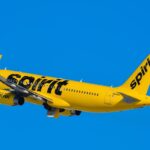
Those seat counts are not trivia: on a carrier that sells to a price-sensitive market, the margin is frequently won or lost through unit costs (CASM) and aircraft utilization. Keeping the schedule intact—especially through the holidays—protects revenue and helps preserve customer confidence at key departure banks across the network.
The Strings Attached: This Money Buys Time, Not Certainty
It’s important to read the structure correctly. Spirit now has immediate liquidity, but the back half of the $100 million remains conditional. That means the next few weeks are still about execution:
-
producing a credible, lender-supported restructuring path, and/or
-
demonstrating that “strategic alternatives” are real, financeable, and actionable.
Spirit’s CEO Dave Davis framed the amendment as lender support for the airline’s ongoing transformation and reiterated that the carrier expects to keep welcoming passengers aboard through the holiday season and beyond.
What To Watch Next
If you’re tracking whether Spirit’s runway is truly extending—not just for a week, but for the next quarter—these are the telltales:
-
Court and creditor milestones: whether Spirit continues clearing conditions tied to additional liquidity.
-
Fleet and lease actions: fewer aircraft and fewer uneconomic routes can reduce cash burn, but they also shrink revenue capacity.
-
Network pruning vs. network integrity: exits from marginal stations matter less than maintaining strength at core airports like FLL, MCO, and LAS.
-
Operational reliability: on-time performance and completion factor become financial levers in bankruptcy—because disruption is expensive, and passenger trust is fragile.
Bottom Line
Spirit’s amended DIP agreement unlocks $100 million of additional Chapter 11 financing—$50 million available immediately, with the remaining $50 million tied to continued progress on either a standalone restructuring plan or a strategic transaction. After a weekend of anxiety around a December 13 funding milestone, the airline has bought itself breathing room to keep flights running normally from major stations like Fort Lauderdale (FLL) and Orlando (MCO).
The funding reduces the risk of an abrupt near-term operational shock—but it doesn’t eliminate the underlying challenge: Spirit still has to prove it can restructure into a sustainable airline before the next set of deadlines arrives.