American Turns On Free Wi-Fi – But the Long-Haul Crowd Will Notice the Fine Print
American Airlines has officially flipped the switch on complimentary inflight Wi-Fi, bringing the last of the U.S. “Big Three” into the free-connectivity era. As of January 6, 2026, AAdvantage members can access free, high-speed, satellite-based Wi-Fi on a growing portion of the fleet, backed by a sponsorship agreement with AT&T.
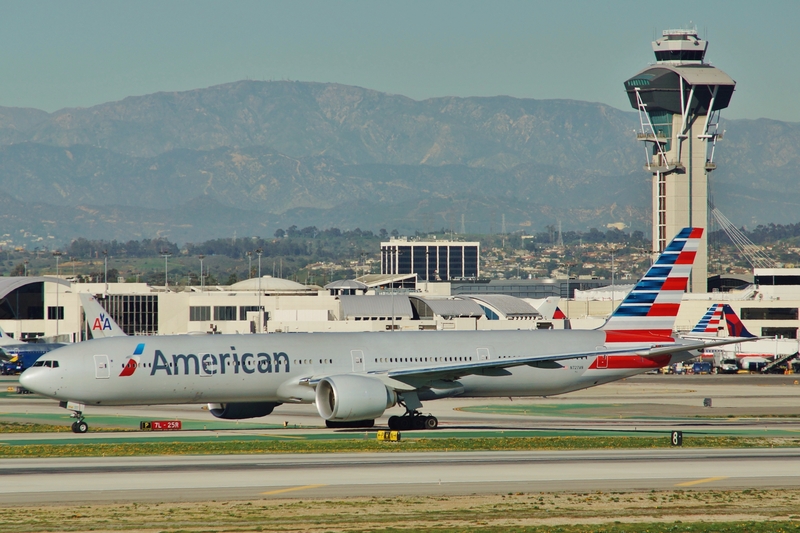
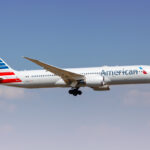
The catch is that “free Wi-Fi on American” will feel very different depending on what you fly. If your trip is a domestic hop on a Boeing 737 or Airbus A320-family jet out of hubs like Dallas/Fort Worth (DFW), Charlotte (CLT), Chicago O’Hare (ORD), Miami (MIA), or Phoenix (PHX), you’ll likely see the change quickly. If you’re on a long-haul widebody—especially a Boeing 777-200ER, 777-300ER, or many 787s—there’s a decent chance you’ll still be pulling out a credit card for a while.
That’s not indecision. It’s physics, bandwidth management, and a cabin full of people trying to stream at 35,000 feet.
What “Free Wi-Fi” Actually Means on American
American’s model is straightforward: complimentary access is tied to AAdvantage, and the rollout is phased.
The first wave covers:
-
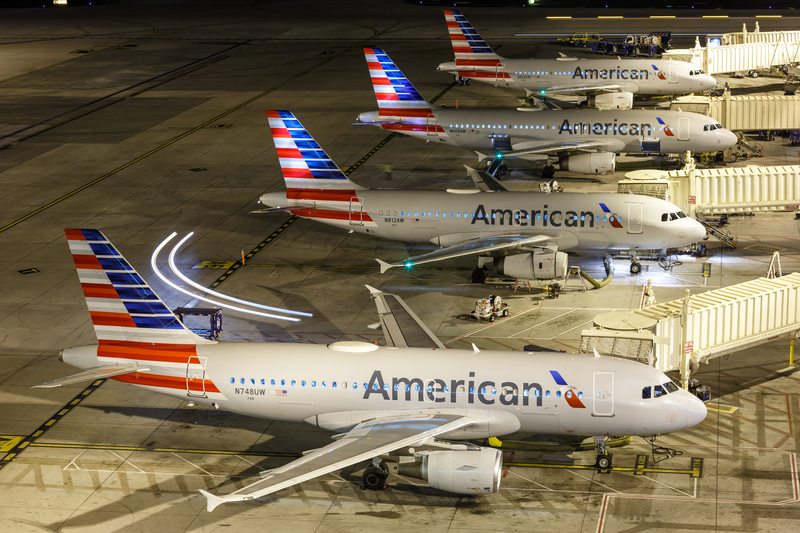
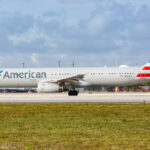
Mainline narrowbodies (the workhorses: 737-800/MAX 8, A319/A320/A321/A321neo)
-
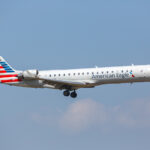
Dual-class regional jets in the American Eagle system (the two-cabin fleet that tends to serve higher-yield business markets)
American’s target is aggressive: free Wi-Fi across 100% of its narrowbody and dual-class regional fleets during January, with coverage expanding to nearly every American flight by early spring. The airline has also said newly delivered 787-8 and 787-9 aircraft will ship with free Wi-Fi enabled, rather than being retrofitted later.
Just as important: AAdvantage enrollment is free, and American is leaning into frictionless sign-ups—if you’re not already a member, you can join before departure or even onboard once connected to the portal.
Why Widebody Passengers Will Still Pay
To understand the hold-up, you have to look at the connectivity stack. American’s “free” Wi-Fi is being enabled on aircraft equipped with higher-capacity satellite systems—primarily the platforms used across the domestic fleet.
Many of American’s long-haul aircraft, however, are still running legacy Panasonic connectivity on the international side. Even with incremental improvements over the years, older architectures have a familiar pain point: too many devices, not enough usable throughput.
On a narrowbody, you might be managing 150–200 passengers. On an American 777-200ER, the published configuration is 273 seats. On the 777-300ER, it’s 304 seats. Put those loads on a constrained network and the airline faces an ugly tradeoff:
-
Make it free, and usage spikes.
-
Usage spikes, and performance tanks.
-
Performance tanks, and “free Wi-Fi” becomes a brand liability.
That’s why widebody customers are the ones most likely to keep paying in the near term. It’s not that American doesn’t want to comp the service—it’s that the airline can’t do it at scale until the underlying hardware (and in some cases antennas, modems, cabin network equipment, and certifications) catches up.
The Other Reason Some People Will Pay: Coverage Isn’t the Same as Capability
Even on aircraft where Wi-Fi is available, not all service is equal. Airline connectivity isn’t a single product; it’s a chain:
satellite capacity → antenna performance → onboard modem → cabin Wi-Fi access points → traffic shaping → the user’s device.
That’s why American is being careful about the order of operations. Make it free first where the network can handle a higher take rate, then expand. The carrier has also been upgrading connectivity on parts of the regional fleet—because turning on “free” without the technical uplift is a recipe for a support nightmare.
And if your flight falls into the “not yet converted” bucket, the paid options don’t disappear. On long-haul segments—think transatlantic departures from New York (JFK), Philadelphia (PHL), Miami (MIA), Dallas/Fort Worth (DFW), or Chicago (ORD)—it’s still common to see pricing at the high end of the U.S. market for a full-flight pass.
What Paying Will Look Like on American in 2026
For passengers who still land on a paid aircraft (or who simply don’t want to bother with AAdvantage), the economics don’t change much overnight:
-
Short-duration passes can be priced for “quick email” use cases.
-
Full-flight passes on long-haul international segments can reach the premium end of the market.
-
Frequent flyers can still justify subscriptions, especially if their travel pattern includes aircraft not covered by the free program yet.
American’s own Wi-Fi subscription structure also makes a key distinction that matters for international road warriors: Panasonic international Wi-Fi services sit outside the standard subscription coverage—another signal that the legacy widebody connectivity ecosystem is still, operationally, its own universe.
Competitive Context: American’s Move Is Big—But It’s Not the Last Word
Free Wi-Fi has shifted from “nice perk” to “table stakes,” largely because it’s a loyalty engine. If you can get more travelers to enroll in a program—and keep their profiles active—you increase the odds they’ll engage with co-branded credit cards, upgrades, and partner earning.
American’s strategy fits that mold perfectly: AT&T helps underwrite the cost, AAdvantage becomes the access key, and the airline can say it’s rolling out free connectivity at massive scale.
But in the industry’s next phase, the differentiator won’t be whether Wi-Fi is free. It’ll be whether it’s consistently fast on a packed widebody over the North Atlantic, and whether the carrier can deliver that experience without carving up the product into exclusions.
Bottom Line
American Airlines’ free Wi-Fi rollout is real, and for most domestic travelers—especially on narrowbodies and two-cabin regionals—it’s going to feel like a meaningful upgrade quickly.
The passengers most likely to keep paying are the ones on long-haul widebodies, where older Panasonic-equipped connectivity still can’t reliably support a “free for everyone” take rate without degrading performance. Until those aircraft are upgraded or replaced within the connectivity plan, American’s free Wi-Fi story will be strong—but not yet universal.