Wizz Air Begins Naples-Palma Flights In May 2026
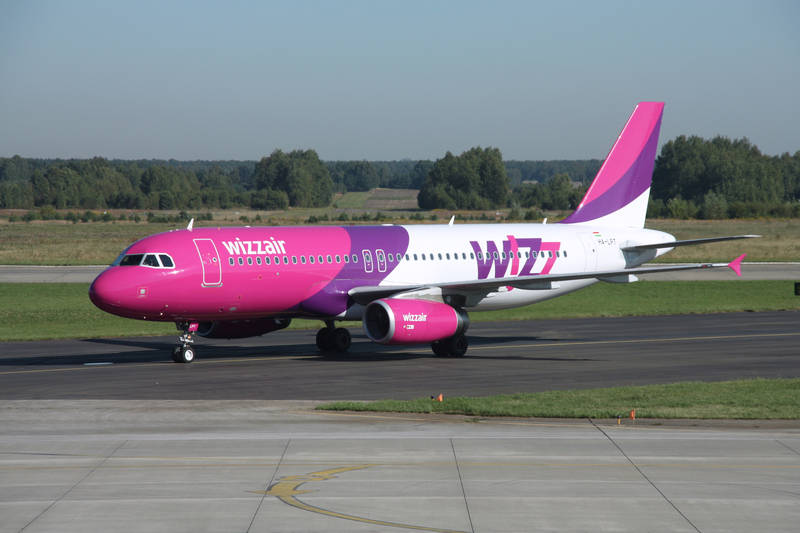
Wizz Air is adding another classic Mediterranean leisure pairing to its Southern Italy portfolio, confirming a new nonstop link between Naples International Airport (NAP) and Palma de Mallorca Airport (PMI) starting in May 2026. For an airport like Naples—where peak-season demand can overwhelm both air and ground infrastructure—an additional low-cost option to the Balearics is more than just another city-pair on a route map. It’s a capacity statement timed precisely for the summer revenue window.

The new service is scheduled to begin on May 12, 2026, operating three times weekly. That cadence is telling: it’s built to capture week-long holidays as well as shorter breaks, while still keeping utilization high for aircraft that are already working hard across Wizz Air’s European network.
What’s Launching, and Why It Matters for NAP
Wizz Air plans to operate Naples (NAP)–Palma de Mallorca (PMI) three times per week. From a network-planning perspective, the Balearics are a reliable leisure “sink” for summer capacity: high seasonality, strong VFR and holiday traffic, and enough elasticity to respond to pricing and seat supply. Palma (PMI) is also a proven connector for intra-European travel demand—particularly for travelers who treat Mallorca as a base for island-hopping and short-stay leisure.
For Naples (NAP), the addition is strategically neat. The airport’s catchment spans a dense population, inbound tourism to Campania, and a meaningful outbound leisure market. When a carrier adds a route like this, it’s often as much about protecting local market share as it is about stimulating new demand—especially when other LCCs and leisure airlines already compete aggressively in Southern Europe.

The Aircraft Angle: Why the A321neo Fits This Mission
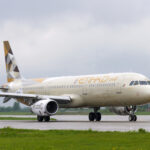
Wizz Air is planning to operate the route with the Airbus A321neo, the workhorse of its high-density short/medium-haul strategy. In typical Wizz configuration, the A321neo is a single-class, high-seat-count platform designed to drive down unit costs—particularly valuable on leisure routes where yields can swing dramatically week to week.
For airline professionals, the key point isn’t simply “new aircraft.” It’s what the A321neo enables operationally:
-
Seat economics: High-density layouts allow the airline to spread fixed costs across more passengers—critical in leisure markets where price sensitivity is high.
-
Fuel efficiency: The “neo” (new engine option) delivers material fuel-burn improvements versus earlier-generation A321ceo aircraft, especially meaningful on sectors that see heavy summer utilization.
-
Range and performance flexibility: The A321neo’s capability allows Wizz to keep fleet deployment flexible across its network—useful when aircraft are based at constrained airports like Naples (NAP) and rotated across multiple markets.
In other words: if you’re Wizz, the A321neo is exactly the type you want on a Spain–Italy leisure route where scale matters more than premium mix.
A Growing Naples Base with a Tight Operational Reality
Wizz Air isn’t approaching Naples (NAP) as a peripheral station. The carrier has been building scale there, and it now bases two aircraft at Naples—supporting broader network breadth and giving it more control over schedule design, turns, and recovery options during irregular operations.
That matters because Naples (NAP) is a demanding operating environment in peak season: busy stands, crowded departure waves, and the usual summer volatility around ATC constraints and weather across Southern Europe. Airlines with based aircraft and deeper station infrastructure typically recover faster when disruptions cascade.
Wizz has also been clear—through the pattern of additions—that it sees Naples (NAP) as a strategic Southern Italy platform, not just a seasonal leisure outpost. Palma (PMI) fits neatly into that approach: high-demand summer flying, consistent inbound/outbound leisure, and strong compatibility with an all-economy LCC product.
Competitive Pressure: More Seats, Sharper Pricing
Naples (NAP)–Palma de Mallorca (PMI) is not a route that will live or die on novelty. The market already has established leisure demand, and Wizz Air’s entry is likely to push three things:
-
More total seats in peak months, which typically stimulates demand but also pressures yields.
-
More schedule choice, even at three weekly frequencies, which can pull share from indirect routings and nearby airports.
-
More aggressive fare discipline, especially if incumbents choose to defend share rather than redeploy capacity elsewhere.
For travelers, that usually means better pricing options. For competitors, it means deciding whether to match, move, or differentiate.
Bottom Line
Wizz Air’s new Naples (NAP)–Palma de Mallorca (PMI) service is a classic, deliberate LCC summer move: add a proven leisure destination, deploy a high-density Airbus A321neo, and use a disciplined three-times-weekly pattern to balance stimulation with utilization. For Naples (NAP), the route reinforces the airport’s growing role as a Southern Italy launchpad for Mediterranean leisure flying—while adding another pressure point to a market where capacity, price, and operational resilience decide who wins the summer.