Mid-Atlantic U-Turn: Two TUI Dreamliners Return to the UK After Sudden Venezuela Airspace Shutdown
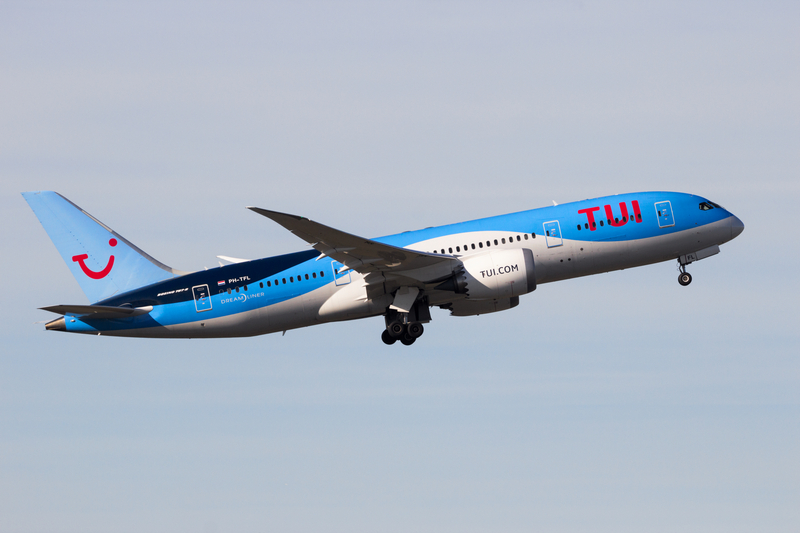
Two TUI Airways long-haul services bound for Barbados were forced to turn back mid-Atlantic after sudden airspace restrictions were introduced across parts of the Caribbean and Venezuela, triggered by fast-moving military developments involving Venezuela.

The affected flights were operating from the UK to Bridgetown (BGI) on January 3, when the restrictions were implemented after departure. With the aircraft already several hours into their transatlantic crossings, TUI opted to reverse course and return to their origin airports rather than continue toward the Eastern Caribbean under uncertain operating conditions.
Which Flights Turned Back
The two headline disruptions involved:
Read our stories in your inbox
Two aviation newsletters. Zero fluff.
-
BY830 from Birmingham (BHX) to Barbados (BGI), operated by a Boeing 787-9
-
BY10 from London Gatwick (LGW) to Barbados (BGI), operated by a Boeing 787-8
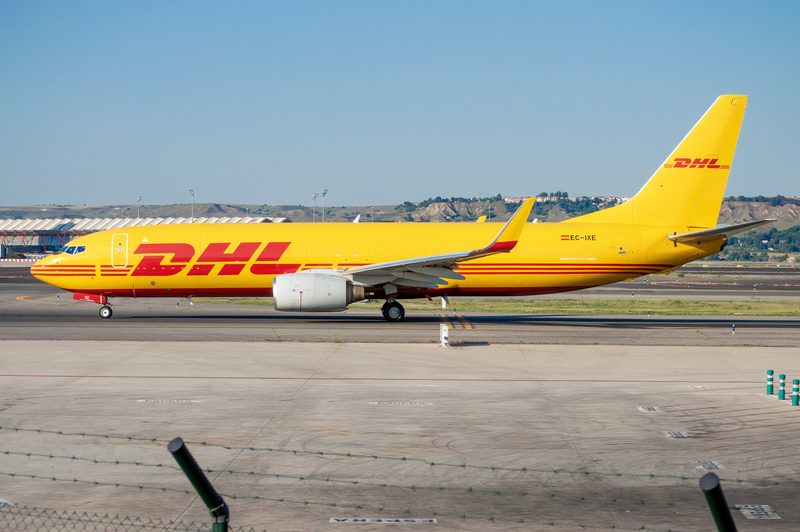
Both flights were ultimately brought back to the UK so the airline could reassess options and avoid stranding passengers downrange if restrictions tightened further or alternates became limited.
Wider Impact Across the Region
The restrictions rippled quickly through Caribbean schedules, with multiple airlines issuing waivers, cancellations, and rescheduling options for destinations in the eastern and southern Caribbean. While the disruption was acute because it hit during a busy holiday-travel period, the operational problem was straightforward: when airspace access becomes uncertain or unavailable, long-haul flights may have few practical reroute options without significant fuel, crew-duty, and alternates planning implications.
For travelers, the practical result was missed hotel stays, disrupted connections, and significant re-accommodation demand—especially for leisure-heavy routes with limited same-day alternatives.
What Happens Next
Airspace restrictions tied to military activity are often fluid and can change quickly. Airlines typically respond by:
-
turning aircraft around early (when feasible),
-
delaying departures until restrictions clarify,
-
and pre-canceling flights to avoid mass disruptions at outstations.
In TUI’s case, returning to base mid-Atlantic prioritized operational control and passenger support logistics, even though it meant a long day in the air ending where it began.
Keep reading FlyMag
Get the Daily Brief in the morning or the Route Watch weekly recap on Fridays. Or both.