Snow Melter Incident Triggers American Airlines Ground Stop at Chicago O’Hare
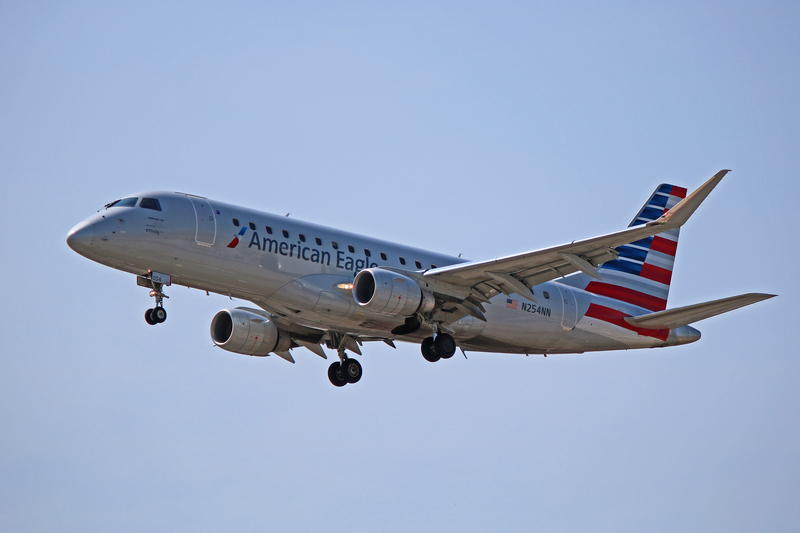
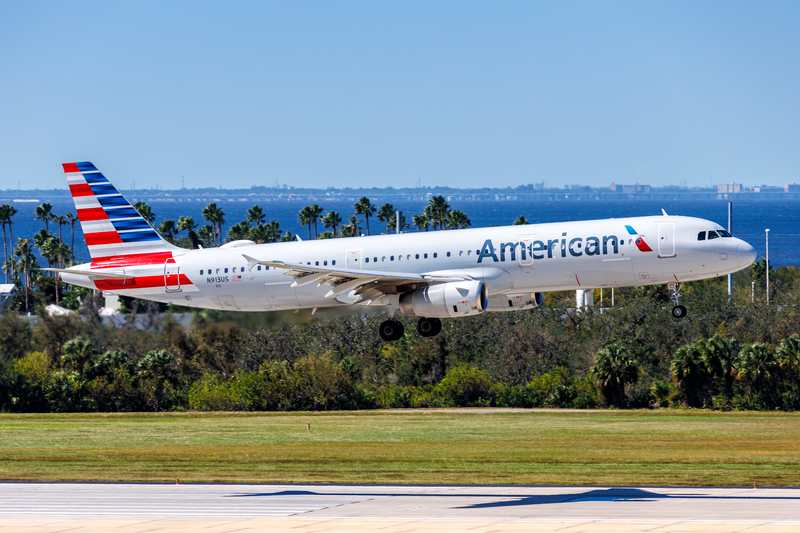
American Airlines and its regional subsidiaries briefly halted operations at Chicago O’Hare International Airport (ORD) late Tuesday, December 30, after an incident involving airport snow-removal equipment near one of the active runways.
FAA ground stop and delays
The Federal Aviation Administration issued a ground stop affecting American Airlines flights from 9:34 PM to 11:00 PM on December 30. During the interruption:
-
Departures and arrivals for American and affiliates were paused
Read our stories in your inbox
Two aviation newsletters. Zero fluff.
-
Inbound aircraft experienced arrival delays, with airborne holding reported as up to ~30 minutes in some cases
-
Knock-on effects lingered beyond the ground stop as traffic flows were reset
An ATCSCC advisory issued early Wednesday, December 31, warned operators to expect additional arrival delays due to a surface incident.
What reportedly happened
While airport officials had not immediately confirmed specifics publicly, multiple reports and social media posts indicated a snow melter may have caught fire (described by at least one aviation observer as potentially a small flame). The location of the equipment reportedly made the situation operationally sensitive, prompting restrictions while the scene was addressed.
Runway impacts and traffic disruption
Reports indicated that operations associated with Runway 28C (the 10C/28C complex) were affected while the incident was handled, with controllers and airport operations working to shift flows to alternate runways.
With runway usage constrained during active snowfall and de-icing activity, the disruption contributed to:

-
Go-arounds for some arrivals during the runway transition period
-
Extended arrival sequencing, including long arrival queues in the terminal area
-
Departure delays that were expected to persist into the early hours of Wednesday
Weather backdrop
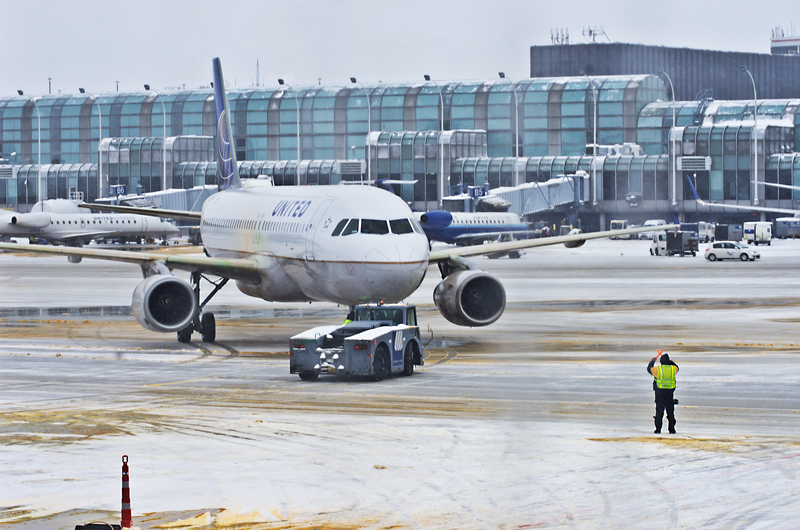
The incident came amid a difficult stretch of winter operations in Chicago, with the region dealing with multiple snow events over several days. Even lighter snowfall can amplify congestion at a major hub like ORD when combined with de-icing demand, equipment staging, and reduced runway throughput.
Diversions and passenger impact
With arrival rates restricted, some flights diverted to alternate airports. One example reported was American Airlines Flight AA1979 (Los Angeles to Chicago), which diverted to Indianapolis (IND).
For passengers, the result was the typical cascade of winter-irregular-ops issues: missed connections, late-night reaccommodations, and aircraft/crew displacement that can take hours to normalize.
Why a “small” ground incident can cause a big stop
At airports like O’Hare, snow operations require heavy equipment positioned close to movement areas. If that equipment has a mechanical problem—especially something involving heat, fuel, or fire risk—controllers may need to freeze traffic until emergency response and safety checks clear the affected area. At a high-volume hub, even a short pause can create outsized ripple effects.
Keep reading FlyMag
Get the Daily Brief in the morning or the Route Watch weekly recap on Fridays. Or both.
Share this story
Composed for each network — click to share, or copy the composed text for your own timing.