Jeju Air Flight 2216: A Year Later, The Key Findings And The Questions Still Hanging
Jeju Air Flight 2216’s crash at Muan International Airport (MWX) remains one of South Korea’s deadliest aviation disasters in years. With 179 lives lost and only two survivors, the investigation has become both technically complex and emotionally charged — especially as grieving families push for clearer answers.

What Happened On The Day Of The Crash
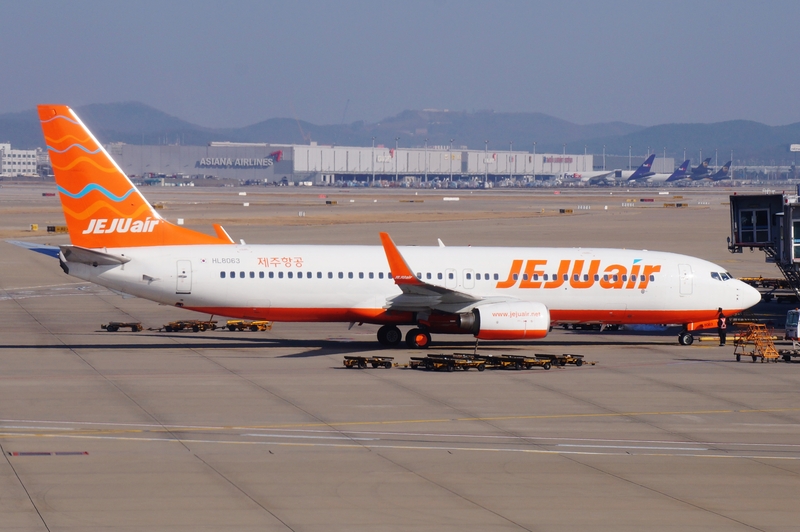
Flight 2216, operated by a Boeing 737-800, came in to land at Muan with its landing gear not deployed. The aircraft slid along the runway and struck a concrete structure near the runway end, triggering a catastrophic fire. Of the 181 people onboard, 179 were killed, while two flight attendants survived.
What Investigators Have Said So Far
South Korea’s Aviation and Railway Accident Investigation Board has released preliminary findings pointing to a chain of events that may have begun with bird strikes affecting both engines.
A central (and controversial) element in the preliminary findings is the possibility that the crew shut down the less-damaged engine after the bird strike, leaving the aircraft with reduced thrust at a critical moment. Investigators have also said there were no defects found in the engines themselves.
Complicating everything: the cockpit voice recorder (CVR) and flight data recorder (FDR) reportedly stopped recording about four minutes before impact, leaving a crucial gap right as the emergency escalated.

Why Families And Pilot Groups Are Pushing Back
Families of victims and pilot unions have been sharply critical of how the early findings have been communicated, arguing that the narrative risks placing too much weight on pilot actions before all contributing factors are fully examined.
Critics have also urged investigators to more aggressively examine external contributors — including the design and placement of the concrete structure the aircraft hit, and whether air traffic control warnings and bird-risk mitigation were adequate that day.
The Infrastructure Question That Won’t Go Away
Even if flight crew decisions end up being part of the final causal chain, many safety observers keep coming back to the runway-end structure the aircraft struck. Families and unions argue that this feature — and the severity of the impact it produced — must be treated as more than a footnote.
What Happens Next
Investigators have indicated the final report will address multiple factors and is expected by June 2026. Until then, the crash sits in a painful limbo: enough information to fuel debate, but not enough to provide closure.