Overhead Bin Heists: Police Investigate Repeated Theft Reports On Etihad’s Abu Dhabi-Hong Kong Flights
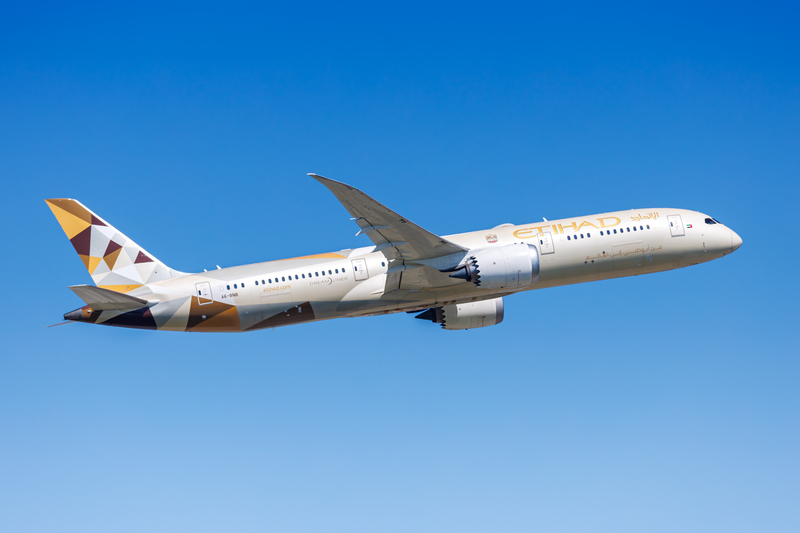
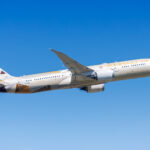
A suspected theft onboard an Etihad Airways flight from Abu Dhabi to Hong Kong is under police scrutiny after a passenger reported a missing diamond from belongings stored in an overhead bin. Authorities detained a suspect after the aircraft arrived in Hong Kong, in what appears to be the latest in a string of similar incidents reported on the same route in recent months.

The Latest Incident: EY870 Met By Police In Hong Kong
The most recent case occurred on Friday, December 26, aboard Etihad flight EY870 operating Abu Dhabi (AUH) to Hong Kong (HKG). A passenger alerted cabin crew after realizing a diamond was missing from their possessions. As is standard in suspected onboard theft cases, the crew relayed the situation ahead so local authorities could respond on arrival.
When the aircraft landed in Hong Kong, law enforcement met the flight, and a suspect was apprehended and detained for questioning. While the arrest demonstrates a rapid response, the bigger concern is the emerging pattern of similar reports tied to the same city pair.
A Pattern Of Reports On The Same Route
What makes this case notable is that it is reportedly the fourth theft report in roughly six months involving items taken from bags in overhead lockers on Etihad-operated Abu Dhabi–Hong Kong services.
Recent reports describing the broader pattern include:
-
A December incident involving missing credit cards
-
A November case in which a passenger was reportedly arrested for taking multiple credit cards from another traveler’s overhead-bin luggage
-
A summer incident where three passengers were reportedly arrested in connection with theft allegations on the same route
Even if each event differs in detail, repeated reports on a single corridor can undermine passenger confidence and create heightened concern—especially on long-haul flights where cabins dim and most travelers sleep.
Why Overhead-Bin Theft Happens
Overhead-bin thefts tend to exploit predictable conditions:
-
Low visibility during night phases of flight
-
Passengers asleep and less aware of movement in aisles
-
Cabin crew stationed at galleys for service and safety monitoring rather than continuously patrolling aisles
-
Easy access to bags that look similar (especially dark carry-ons)
These incidents often involve small, high-value items—jewelry, wallets, cash, cards, and electronics—because they can be removed quickly and concealed easily.
How Passengers Can Protect Themselves
You can reduce risk without turning your flight into a security operation:
-
Keep valuables on your person: jewelry, cash, cards, passports, and key electronics should stay in a pocket, sling, or under-seat personal item.
-
Use a small “valuables pouch” inside your bag so items aren’t loose in outer pockets.
-
Avoid storing wallets or jewelry in easy-access compartments (top zips, front pockets).
-
Choose under-seat storage for your personal item when possible, especially on overnight sectors.
-
Take a quick photo of your bag contents before boarding (helps if you need to report what’s missing).
-
Be mindful of repeated overhead-bin access by someone not seated nearby—especially during lights-out.
-
If you notice anything suspicious, tell crew promptly—early reporting improves the chances of identifying a suspect before arrival.
What Airlines Can Do
There’s no single fix, but airlines can make opportunistic theft harder:
-
Targeted cabin monitoring during known “quiet” periods on long-haul flights
-
Visible aisle walkthroughs after lights-out to deter rummaging
-
Clear crew reporting protocols so cabin teams can discreetly flag concerns to arrival authorities
-
Post-incident messaging reminding passengers to keep valuables with them, without causing alarm
-
Use of onboard monitoring views where available (some aircraft systems allow situational awareness, even if they’re not designed as security cameras)
The goal isn’t constant surveillance—it’s deterrence, faster detection, and consistent handling.
Bottom Line
A suspected diamond theft on Etihad’s AUH–HKG flight EY870 ended with a suspect detained on arrival, but the bigger story is the cluster of similar overhead-bin theft reports tied to the same route in recent months. For passengers, the simplest protection is to keep valuables with you—not above you—especially on overnight flights. For airlines, a mix of targeted deterrence and disciplined procedures can help prevent a few bad actors from turning a cabin into a hunting ground.