Baggage Bust at MIA: Virgin Atlantic Traveler Accused of Smuggling 65 Pounds of Marijuana to LHR
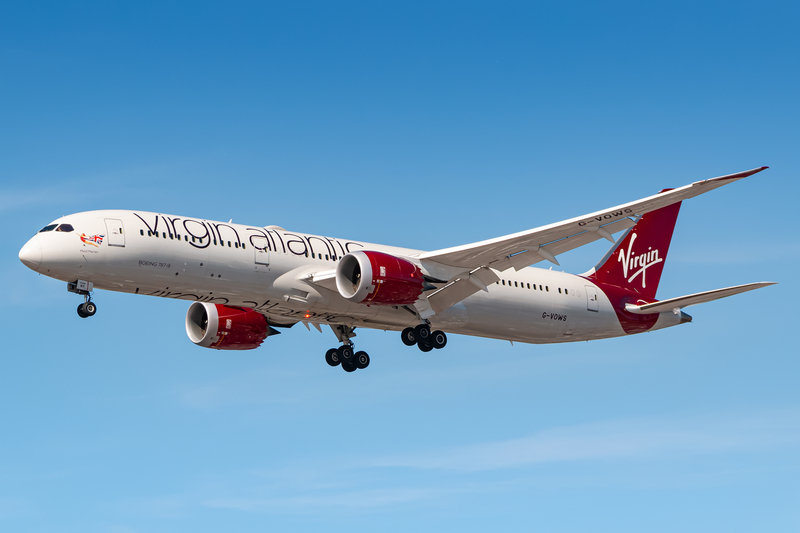
A Virgin Atlantic passenger bound for London Heathrow (LHR) was arrested at Miami International Airport (MIA) after authorities say two checked suitcases contained 65 pounds (29.5 kg) of marijuana, vacuum-packed into dozens of bundles. The case is a reminder that while cannabis laws vary widely within the United States, international transport—especially in bulk—remains firmly in “trafficking” territory in the eyes of law enforcement.

The traveler, a 22-year-old London resident, was taken into custody after Customs and Border Protection (CBP) officers reportedly noticed a strong odor during outbound screening at MIA. While the passenger is not expected to face federal prosecution, the alleged quantity places the case squarely in the range where Florida state penalties can become mandatory and severe.
What authorities say was found at Miami (MIA)
According to local reporting and court documents referenced in the case, officers inspected two hard-sided checked bags associated with a Virgin Atlantic departure to London Heathrow (LHR) after they drew attention during processing. An X-ray inspection reportedly revealed 60 vacuum-sealed bundles—30 in each suitcase—containing marijuana.
A detail that will interest anyone familiar with modern smuggling tactics: each suitcase allegedly contained an Apple AirTag, a common consumer tracker that can be used to monitor luggage movements in real time. In legitimate travel, AirTags are increasingly routine. In contraband cases, investigators often view them as an attempt to maintain control over a bag that may be separated from a courier, intercepted, or routed unexpectedly.
Authorities also reported the passenger had cash on her person in both U.S. dollars and British pound sterling.

Why an outbound drug seizure matters
Travelers tend to associate CBP with arrivals—passport control, customs declarations, and inspections when entering the United States. But major international gateways like Miami (MIA) also conduct robust outbound scrutiny, particularly on routes with historically high smuggling risk profiles.
MIA is one of the busiest U.S. international airports by global passenger flow and cargo throughput, with extensive long-haul connectivity to Europe, Latin America, and the Caribbean. That combination—high volume, complex baggage systems, and a global route map—makes it a natural focal point for enforcement efforts aimed at stopping prohibited exports as well as imports.
The flight context: long-haul widebody operations to London (LHR)
Virgin Atlantic’s Miami (MIA)–London Heathrow (LHR) services are operated with twin-aisle, long-haul aircraft—the type of widebody jets designed for transatlantic missions. Depending on the season and fleet assignment, that typically means aircraft from the Boeing 787 Dreamliner or Airbus A330 family, both optimized for long-range operations with large belly-hold cargo capacity.
That cargo space is a critical point: checked luggage and freight share the same general ecosystem of handling systems, screening, and chain-of-custody procedures. Any suspected contraband in baggage can trigger a response that is as much about process integrity as it is about the substance itself—particularly on international departures.

What the charge implies in Florida
While cannabis legality has shifted in parts of the U.S., Florida’s trafficking laws are weight-based and can carry mandatory minimum sentences when thresholds are met. In practical terms, that means a case can escalate quickly from “possession” language to “trafficking” consequences when the quantity is measured in tens of pounds rather than grams.
Even when federal prosecutors decline to pursue charges, state statutes can still drive the outcome—especially when authorities believe the intent was international distribution rather than personal use.
How airport detection is evolving
What’s striking about many modern airport seizures is how rarely they hinge on a single factor. Odor, imaging anomalies, irregular baggage characteristics, travel patterns, and secondary screening selection can all layer together.
The basic tools are familiar—X-ray systems, targeted inspections, and trained personnel—but the operational sophistication has grown. Enforcement agencies increasingly rely on:
-
Better imaging and anomaly detection
-
More structured risk-based screening
-
Stronger coordination between airport stakeholders and federal authorities
-
Improved evidence capture (high-definition CCTV coverage and traceable baggage handling records)
For travelers, the takeaway is simple: the idea that a bag can “blend in” on a high-volume international departure bank is outdated. If something is off, airports and agencies have multiple ways to spot it.
Bottom Line
A Virgin Atlantic passenger was arrested at Miami International Airport (MIA) after authorities allege she attempted to depart for London Heathrow (LHR) with 65 pounds of marijuana hidden in two checked suitcases. Beyond the headline, the case highlights three realities of modern international travel: outbound screening at major gateways like MIA is serious, bulk cannabis transport can trigger trafficking statutes even as legalization expands elsewhere, and common consumer tools like luggage trackers may be viewed very differently when paired with suspected contraband.