American Airlines Plots a Wider International Push With a Bigger Widebody Fleet
American wants to grow upmarket overseas
American Airlines says it’s preparing to “play a bigger game” internationally, betting that long-haul flying can deliver stronger margins than domestic travel. Speaking at a Bernstein event on December 10, CEO Robert Isom said the carrier sees “tremendous opportunity” at home, but believes international routes have offered better profitability in recent years—and American now wants a larger share of that pie.

The fleet math behind the strategy
Right now, American estimates it has about 135 long-haul-capable aircraft. By the end of the decade, it expects that figure to rise to around 200, with room to grow beyond that depending on aircraft availability and market conditions.
Across the whole operation, American’s mainline fleet totals 953 aircraft, per Aviation Week’s Fleet Discovery database—highlighting how domestic-heavy the airline still is compared to its biggest rivals.
Why American fell behind internationally
American’s international footprint shrank during the pandemic after it chose to retire multiple long-haul subfleets, including Boeing 767s and Airbus A330s. That simplified operations and improved efficiency, but it also reduced long-haul capacity.
Since then, delivery delays and supply-chain constraints have slowed the carrier’s ability to rebuild widebody scale as quickly as it would like.

The widebody plan
American’s path back to long-haul growth centers on simplifying its widebody mix and modernizing the cabins:
-
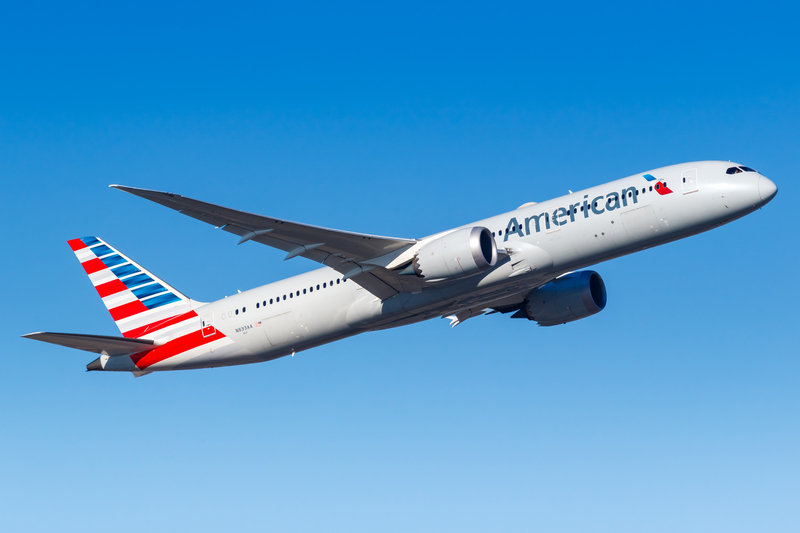
20 Boeing 787-9s still on order, including aircraft arriving in a newer premium-heavy configuration
-
Older Boeing 777s will stay longer, supported by planned retrofits to keep them competitive
-
Options for 25–30 additional 787s provide extra long-term flexibility

The message from leadership is clear: fewer widebody “flavors,” more consistency, and a product that can compete better in premium cabins where revenue is strongest.
The narrowbody that supports long-haul growth
American is also leaning on aircraft that can open thinner long-range routes:
-
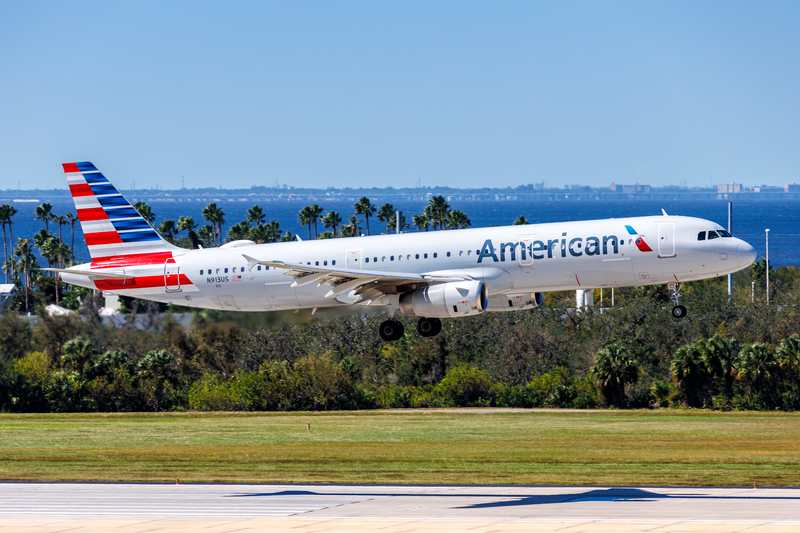
The airline has 50 firm Airbus A321XLRs
-
It took delivery of the first A321XLR in October
-
It expects to have 15–16 A321XLRs by the end of 2026
-
It also has flexibility to convert some A321neo orders into XLRs

This gives American more ways to expand internationally without needing a widebody on every route—especially useful for secondary Europe markets and longer “long-thin” missions.
What investors should watch next
American is framing 2026–2027 as a period for margin expansion, while using fleet growth to tilt more capacity toward long-haul flying. The big swing factors will be:
-
How quickly Boeing/Airbus deliver aircraft on schedule
-
Whether premium demand remains resilient into 2026–2027
-
How successfully American executes cabin retrofits and product consistency
-
Competitive responses from Delta and United, which already have larger international networks
Bottom Line
American Airlines is signaling a more aggressive international posture, backed by a plan to grow its long-haul-capable fleet from roughly 135 aircraft today to around 200 by the end of the decade. With 787-9 deliveries, 777 life-extension retrofits, and a growing A321XLR fleet, the airline believes it can push harder into higher-margin international markets—if deliveries and execution cooperate.